Curiosity about the link between marijuana use and gynecomastia is higher than ever. Many men notice changes in their chest and want trusted answers before deciding what steps to take. At the San Antonio Gynecomastia Center, we see these concerns often and believe everyone should have clear, science-based guidance.
Gynecomastia can feel confusing as it relates to both lifestyle choices and hormone balance. Our surgeon and care team want to help you understand what connects these factors, and what options exist if you are seeking a flatter, more masculine chest. This article will clear up common myths and highlight what matters most for your health.
Key Takeaways

Beyond the Gynecomastia Basics
Gynecomastia describes the growth of glandular breast tissue in men. This is different from simple fat accumulation in the chest, also called pseudogynecomastia, which comes from weight gain rather than hormonal shifts. The condition can appear as small lumps under the nipples or as more noticeable breast development on one or both sides.
Key Hormones Involved in Gynecomastia
Hormones play a major role in male breast tissue growth. Testosterone is the main male sex hormone, while estrogen is the primary female hormone. Normally, men have much more testosterone than estrogen, which helps maintain a masculine chest contour.
A disruption in this balance can cause breast tissue to grow. For example, testosterone levels could decrease due to age, medications, health conditions, or certain drugs. Some substances can also increase the amount of available estrogen or make breast tissue more sensitive to this hormone.
How Does Gynecomastia Differ from Pseudogynecomastia?
Men often notice chest fullness and wonder if it is true gynecomastia or just fat. True gynecomastia includes firm glandular tissue beneath the nipple, while pseudogynecomastia consists only of fat. Our surgeon can identify these differences through a combination of physical exam and medical history.
Males can have both conditions at the same time, so evaluation is important. Treating extra fat in the chest may involve weight loss, but genuine gynecomastia will not improve with lifestyle changes alone in many cases.
Marijuana: Science, Ingredients, and Popularity
Marijuana has gained rapid acceptance in recent years for both recreational and medical use. Patients often ask about its effects on the body beyond its psychoactive properties.
Main Compounds Found in Marijuana
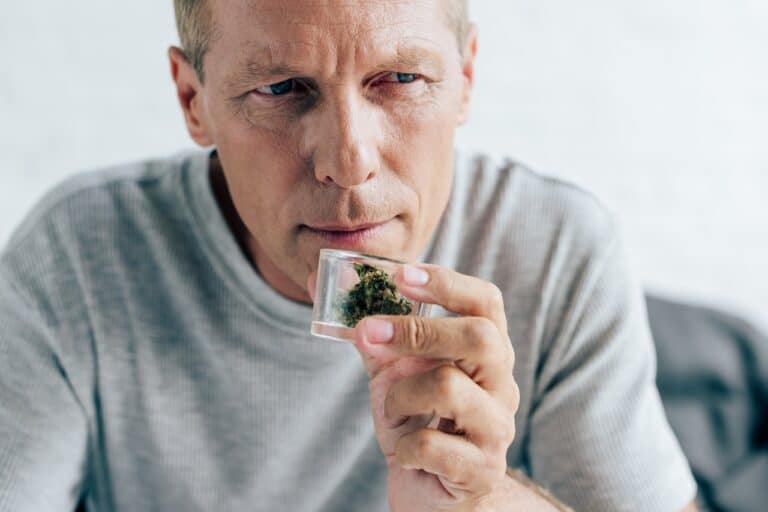
The marijuana plant contains several active substances called cannabinoids. The two most well-known are tetrahydrocannabinol (THC) and cannabidiol (CBD). THC is responsible for the “high” feeling many associate with marijuana use.
CBD, on the other hand, does not cause intoxication and is often promoted for other medicinal effects such as anxiety relief or pain modulation. Other minor cannabinoids and chemical compounds are found in varying amounts depending on the plant strain.
Widespread Use and Changing Attitudes
Many men in our San Antonio practice report occasional or habitual marijuana consumption. Laws around marijuana use have relaxed, which means more people tend to feel comfortable discussing their consumption during doctor visits. This trend provides our team with new insights into how marijuana interacts with men’s health issues like gynecomastia.
Marijuana and Gynecomastia: What Do We Know?
Interest in marijuana’s role in gynecomastia has been fueled by both popular media and scientific debate. Clear insight into how the body processes cannabinoids reveals the true science behind cannabis interactions and surgical recovery.
How Marijuana May Affect Male Hormones
The human body has a network known as the endocannabinoid system. This system helps regulate mood, appetite, and hormones. THC from marijuana binds to certain receptors in this system and could influence hormonal regulation.
Some laboratory studies suggest marijuana might lead to lower testosterone levels. Animal tests and a handful of small human studies have shown temporary decreases in testosterone after marijuana exposure. However, these studies use high doses, and real-world results may differ.
Estrogen levels in men also matter for breast tissue growth. Some researchers believe marijuana can increase aromatase enzyme activity, which converts testosterone into estrogen. Elevated estrogen can stimulate breast tissue, thereby increasing the risk.
Reviewing Medical Research on Marijuana and Gynecomastia
Decades ago, a few case studies hinted at a possible link between marijuana use and gynecomastia. However, more recent population research does not consistently support a strong connection. Many men who use marijuana never develop gynecomastia, and those with the condition often have other contributing factors.
Despite these mixed findings, our surgeon always considers marijuana use during consultations. In some men, cannabis use may be one of several risk factors that together raise gynecomastia risk.
Does How Much or How Often Matter?
Dose and frequency appear to influence risks, though clear thresholds have not been established. Occasional users may have little to no risk, while those who use marijuana regularly or in large amounts might face a higher probability of hormone changes. This area still requires further study.
Most medical professionals agree that marijuana alone does not usually cause dramatic hormone shifts in healthy adult men. However, when combined with other risks like obesity, certain medications, or underlying health conditions, cannabis might play a more significant role.

Symptoms and Signs To Watch Out For
Recognizing the symptoms of gynecomastia early can help men get answers more quickly and plan a path forward. At the San Antonio Gynecomastia Center, we recommend paying close attention to changes in the chest area.
Common Symptoms of Gynecomastia
- Breast Tissue Enlargement: Noticeable growth under or around one or both nipples, sometimes with a firm or rubbery texture.
- Tenderness or Sensitivity: The chest may feel sore, especially near the areola.
- Swelling: There may be visible puffiness that cannot be attributed solely to weight gain.
- Changes in Appearance: Nipples may protrude, or the natural contour of the chest could look less masculine.
- Emotional Effects: Some men report feeling self-conscious or frustrated with their body’s appearance.
While these signs can signal gynecomastia, other chest lumps or symptoms need prompt evaluation by a doctor to exclude more serious conditions such as tumors or infections. Our surgical team will carefully assess your situation during a confidential, no-pressure appointment.
Diagnosing Gynecomastia: What Happens in Our Office
We understand that men want straightforward answers about their bodies. Accurately diagnosing gynecomastia is important so that treatment decisions are based on real causes and not assumptions.
Steps in a Clinical Evaluation
During your visit, our surgeon begins with a detailed medical history, focusing on several areas. We ask about medication usage (including over-the-counter and supplements), past or present marijuana use, family history, and whether any recent health changes have occurred.
Next, a targeted physical exam identifies glandular tissue versus fatty tissue. Our practitioner feels for firm areas under the nipple and checks if both sides are affected equally. Photographs or chest measurements may also help document any changes.
Certain cases require additional tests. Blood work can evaluate testosterone, estrogen, and other relevant hormones. Sometimes, imaging studies such as ultrasound are useful for unclear findings or to rule out rare causes.
Conditions That Can Mimic Gynecomastia
Not all chest changes in men are due to true gynecomastia. We look for signs of pseudogynecomastia (fat tissue), benign breast masses, or even rare male breast cancers. Accurate diagnosis ensures that we target the right concern and do not overlook more serious problems.
Marijuana and Other Contributing Factors
Marijuana seldom acts as the sole cause of gynecomastia. Instead, it more often interacts with other risk factors. Clear awareness of these broader clinical factors empowers you to make fully informed choices about your care.
Common Risk Factors Besides Marijuana
Many things can disturb the hormonal steady state in men. We monitor for these possible contributors to gynecomastia development in all individuals, including those who use marijuana.
Below are some frequent risk factors identified during gynecomastia consultations:
- Prescription Drugs: Several medications, such as anti-androgens for prostate conditions, certain antipsychotics, or heart medications, raise gynecomastia risk by disturbing testosterone or estrogen balance.
- Alcohol: Chronic heavy drinking can impair the liver’s ability to process hormones, which can increase estrogen in the bloodstream.
- Steroids and Anabolic Agents: Performance-enhancing drugs can upset natural hormone production and often result in excess estrogen. This is the primary driver behind bodybuilder gynecomastia.
- Obesity: Extra body fat raises aromatase activity, which transforms more testosterone into estrogen.
- Medical Conditions: Issues such as kidney failure, hyperthyroidism, tumors, or genetic endocrine disorders can all promote gynecomastia development.
Combining several of these factors, especially when marijuana is present, may magnify the risk of noticeable breast changes in men.
A full evaluation by our surgeon will help pinpoint which, if any, of these factors are at play for each patient seen in our San Antonio office.
Treatment Options for Gynecomastia: Paths to a Flatter Chest
Gynecomastia can sometimes disappear on its own, particularly if it arose during puberty or from a newly introduced medication. However, persistent symptoms often require specific intervention.
Common Treatments Reviewed in Our San Antonio Office
At the San Antonio Gynecomastia Center, our surgeon customizes the plan for each individual. Several approaches may be considered depending on your age, health, hormone levels, and overall goals.
Below are the most common treatment pathways:
- Observation: In mild cases or where the condition seems reversible (such as stopping a new drug), simple monitoring for several months can be appropriate. This approach fits well for adolescents or those with a very recent onset.
- Lifestyle Changes: Adjustments, such as reducing or changing marijuana or alcohol exposure, losing excess fat, or switching medications if possible, may help resolve gynecomastia for some. Men who address these factors quickly sometimes see chest tissue shrink over time, especially if glandular tissue is not yet firm.
- Medical Therapy: Certain prescription medications (like tamoxifen or raloxifene) can block estrogen’s effects and may be prescribed. These treatments are considered primarily in cases of pain or emotional distress, especially for those without stable or long-standing breast tissue.
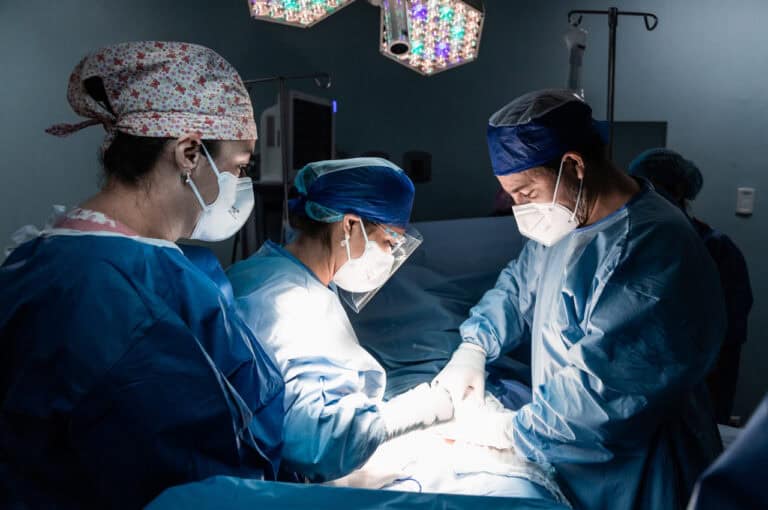
- Surgical Removal: For men with permanent or bothersome gynecomastia, surgical correction gives the most reliable results. Our surgeon performs outpatient excision and liposuction through discrete incisions, sculpting a flatter, masculine chest with minimal downtime.
The specific surgical approach we take often depends on the gynecomastia grades identified during your exam, which categorize the amount of excess skin and glandular tissue present.
Most men who opt for surgery achieve a dramatic and permanent improvement in their chest. Breast tissue and any targeted fat are physically removed, unlike topical creams or pills, which offer little evidence of benefit.
What to Expect During Recovery After Surgery
Our patients often return home the same day as their procedure. Expect to wear a compression garment for several weeks to reduce swelling. Most people can return to desk jobs or school within a few days, and regular workouts after two to three weeks.
Scars are usually small and hidden along the nipple’s edge or lower chest. Our surgeon will monitor your progress and ensure any concerns are addressed as you heal.
Prevention, Lifestyle, and Long-Term Health Considerations
Some men can influence their gynecomastia risk through lifestyle habits and medical awareness. At our San Antonio practice, we will help you develop the right prevention plan if you hope to avoid or limit chest changes.
Practical Steps Men Can Take
- Review Medications: Talk with your provider about medications that can disrupt hormone balance.
- Moderate Marijuana Use: Consider limiting frequent, high-dose usage if you have experienced chest symptoms, especially alongside other risk factors.
- Watch Alcohol and Steroid Intake: Avoid regular heavy drinking or the use of performance-enhancing substances.
- Maintain a Healthy Weight: Manage your body fat level, as this directly affects estrogen production.
- Seek Early Guidance: Men should consult a knowledgeable provider promptly if they notice chest changes or tenderness. Early attention can help identify reversible causes before breast tissue becomes permanent.
Lifestyle changes may not always reverse true gynecomastia, but they can lower risk and improve health in other important ways.
Working With a Surgeon: Choosing Your Next Steps
Selecting a knowledgeable provider for gynecomastia evaluation and treatment makes a significant difference in outcomes. Our doctor at the San Antonio Gynecomastia Center brings years of focused experience, helping patients achieve natural, lasting results.
During your consultation, trust, privacy, and education are our top priorities. We want each patient to leave with a clear understanding of their unique situation and all available choices.
Many individuals who visit our office express relief after learning the real causes behind their gynecomastia. For those who require surgical correction, custom treatment plans reduce anxiety and improve confidence in their day-to-day lives.
Moving Forward: Restoring Your Confidence and Comfort
A thorough understanding of the connection between marijuana and gynecomastia gives men a clearer path to making informed decisions about their health. Research is ongoing, yet current knowledge suggests that marijuana’s impact is modest but may matter more when combined with other factors.
Early awareness and professional evaluation remain the best ways to clarify symptoms and rule out more serious conditions. Our surgeon and care team at the San Antonio Gynecomastia Center can help guide you through diagnosis, discuss your treatment options, and answer your questions about hormone balance and lifestyle changes.
If you notice new chest changes, want advice on marijuana use, or wish to explore surgical treatment for gynecomastia, we invite you to contact our San Antonio office. Schedule a confidential consultation and take your first step toward greater confidence and peace of mind.